
LP Updates Made Easy: CMS Tactics for Better Stakeholder Reporting

Limited partners want clarity, confidence, and consistent communication. For fund managers, keeping LPs informed isn’t just good practice; it’s a core part of investor relations and long-term capital commitments. Yet reporting often feels chaotic: updates scattered across emails, spreadsheets, Slack threads, and meeting notes.
A CMS designed to centralize communication can transform the LP update process from stressful to seamless. In this article, we’ll walk through how modern fund managers are using CMS tactics to streamline reporting, segment LP groups, automate touchpoints, and deliver professional, predictable updates every time.
Why LP Communication Matters More Than Ever
Institutional and individual LPs alike expect transparency. They want to know:
- How their capital is being deployed
- How portfolio companies are performing
- What risks or opportunities are emerging
- How the fund is pacing against stated goals
- What the next 6–12 months look like
With market conditions shifting rapidly, LPs increasingly judge fund managers not only on returns, but on communication discipline. A CMS helps you meet those expectations with consistency.
The Foundation: Consolidating All LP Information in One Place
LP data is often scattered across:
- Email threads
- Investor decks
- Individual team members’ inboxes
- Calendar invites
- Ad-hoc spreadsheets
- PDF notes from calls
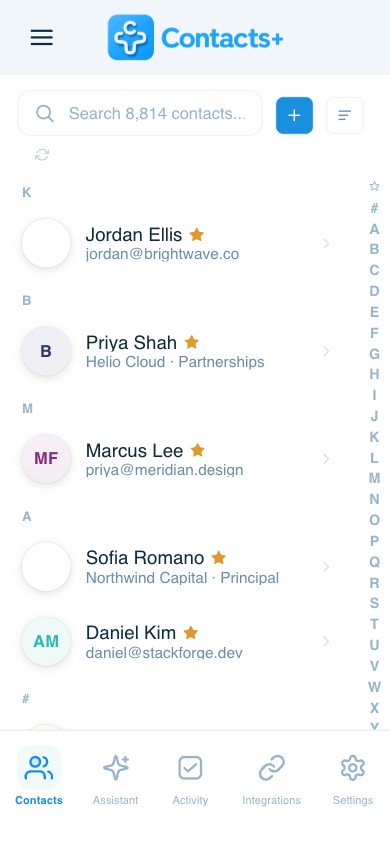
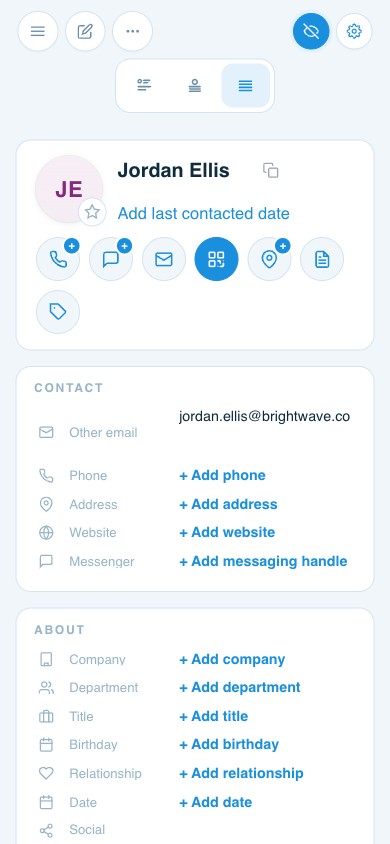
This makes reporting harder than it needs to be. Instead, fund managers should use a CMS like Contacts+ to centralize all stakeholder information, including:
- Contact details (auto-enriched)
- Investment amount and fund vintage
- Meeting notes
- Email history
- Reporting preferences
- Tags and LP segmentation
- Document links
- Commitment status
- Follow-up reminders
Once all LP data reside in a single system, the reporting process becomes repeatable.
Segmenting Your LPs for Better Reporting
Not all LPs want or need the same communication. A CMS lets you tag so you can segment and email intelligently:
By Investment Size
- Major LPs
- Mid-tier
- Micro-commitments
By Engagement Style
- Prefers email summaries
- Prefers quarterly calls
- Prefers dashboards or reports
By Fund Vintage
- Fund I
- Fund II
- Sidecar funds
- Co-investment vehicles
By Region
Different time zones and regulatory expectations impact how updates are delivered. With proper tagging and segmentation, your outreach becomes more tailored, increasing LP satisfaction and reducing questions arising from unclear communication.
Creating a Standardized LP Update Workflow
The biggest shift CMS systems bring is workflow standardization. No more reinventing reporting every time. Here’s a simple CMS-based LP update process:
Step 1: Schedule Reporting Cycles in Advance
Use CMS tasks or calendar syncs to set:
- Monthly investor snapshots
- Quarterly LP letters
- Annual AGM prep
- Mid-year performance calls
Step 2: Create Automated Templates
Emails you send repeatedly should never be written from scratch. Templates help you scale communication. Example templates:
- Portfolio company updates
- Fund performance summaries
- Closing documentation
- Capital call notifications
- Market commentary memos
The information from your CMS can help you keep them consistent and on brand.
Step 3: Add Task Automation for Your Team
Let your CMS handle reminders and responsibilities. Example automations:
- “One week before quarterly LP letter — task: draft update.”
- “After portfolio company board meeting — add note + send summary.”
- “30 days after capital call — follow-up checking for outstanding FAQs.”
Contacts+ sends you weekly reminders, so nothing gets missed.
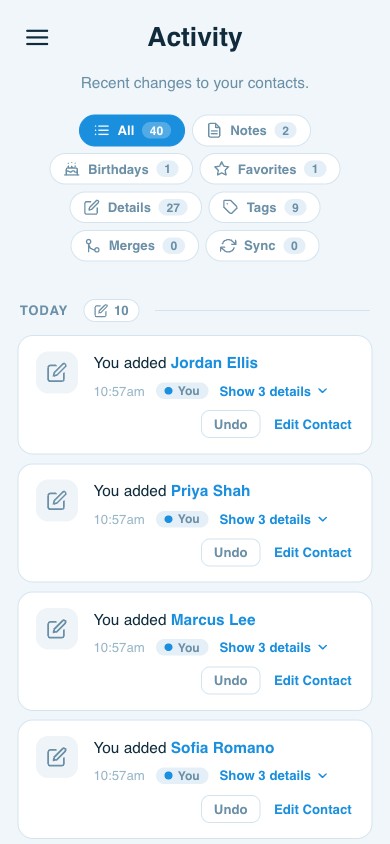
Step 4: Track Communication History for Compliance
One of the biggest benefits of a CMS is traceability. With email integration and effective notes, you can instantly see:
- Who received which update
- When they opened it
- Whether they responded
- What notes were taken
- Which documents were sent
This is invaluable for:
- Compliance
- Audits
- Fundraising for future ventures
- Minimizing back-and-forth questions
Contacts+, in conjunction with other tools, can ensure all communication is tied to the appropriate LP record.
Step 5: Personalize Where It Matters
Automation doesn’t eliminate relationship management; it enhances it. Use CMS notes to add personal touches in your email outreach.
- “Travels frequently in Q1 — prefers asynchronous updates.”
- “Prefers charts instead of long paragraphs.”
- “Likes to see competitive benchmarking.”
- “Requests updates on specific portfolio companies.”
These insights make LPs feel seen and valued.
Using a CMS to Improve High-Stakes Updates
Some updates require special handling:
- Portfolio company distress
- Delays in liquidity events
- Market volatility
- Changes to expected returns
- Founder turnover
A CMS guides the communication process:
- Tag LPs who need individualized communication.
- Draft a templated update for consistency and compliance.
- Add tailored notes for top LPs.
- Track responses and follow-up questions.
- Sync everything for future reference.
This creates transparency and trust even during challenging news cycles.
Building a Professional LP Reporting Experience
LPs pay attention not just to what you say, but how you say it. Using CMS-powered workflows, you can:
- Deliver updates on time, every time
- Break information into digestible segments
- Include enriched contact insights
- Keep all stakeholders aligned
Fund managers who excel at communication often raise additional capital more easily and maintain close relationships with their LP base, a capability that automation supports at scale.
Bottom Line: A CMS Helps You Communicate Like a Best-In-Class Fund
LP reporting doesn’t have to be disorganized or stressful. With the right CMS workflows, you can turn updates into a strength rather than a burden.
Contacts+ helps fund managers:
- Centralize LP data
- Organize reporting cycles
- Standardize communication
- Automate reminders
- Personalize investor relations
- Maintain transparency and trust
Consistent, predictable communication builds confidence, and confidence builds long-term partnerships.
Related articles
From ContactsPlusTrack founders, intros and portfolio contacts in one placeSee it for venture capital →


Put your contacts to work
Sync, enrich, and clean your entire address book with ContactsPlus — free to start.
Sign up free ← Back to all articles