
The Contact Management Checklist: What Every Professional Should Track

One thing we’re quite aware of at Contacts+ is that contacts aren’t just names and numbers — they are opportunities, relationships, and connections that can open doors. Whether you’re an entrepreneur building your network, a sales professional closing deals, or a freelancer managing clients, your contacts are one of your most valuable assets.
But if your contact list is just a jumble of names and emails, you’re missing out. The key to turning contacts into opportunities lies in capturing context — the details that turn a list into a living, breathing network. That’s where a contact management checklist comes in.
This guide will walk you through precisely what every professional should track to ensure no opportunity is missed and no connection is forgotten.
Why Context Matters in Contact Management
At its core, contact management is about relationship intelligence. A name without context is just a name. A phone number without a backstory is just a number. Context transforms raw data into actionable insight.
Consider this: you meet someone at a networking event. You connect on LinkedIn and exchange a few emails. Without notes, tags, or reminders, that connection fades. But if you log: where you met, what you discussed, and when to follow up, your contact list becomes a roadmap for growth — helping you nurture relationships and stay top of mind.
The Essential Contact Management Checklist
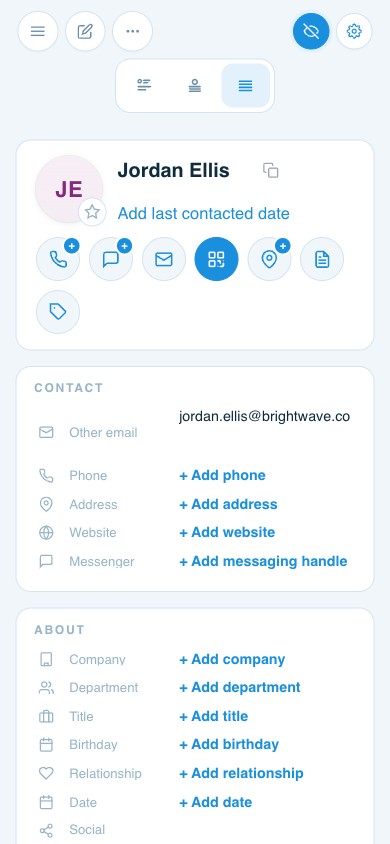
Here’s a practical checklist of what every professional should capture when managing contacts:
1. Basic Contact Information
These are the essentials — the foundation of your contact management system:
- Full name
- Email address
- Phone number
- Company name
- Job title
- Website or LinkedIn profile link
Having these basics is necessary, but it’s just the first step.
2. Contextual Details
Context is what makes your contact list powerful. Include:
- Where you met (conference, referral, cold email, event, etc.)
- Date of first contact
- Reason for connecting (potential client, partner, mentor, investor)
- Mutual connections (names and relationships)
- Meeting notes (key discussion points or interests)
These details allow you to personalize outreach later and keep relationships warm.
3. Relationship Details
Tracking relationship dynamics is critical for follow-up and relevance:
- Last interaction date — helps avoid forgetting contacts.
- Interaction type — email, phone, in-person meeting, video call.
- Relationship stage — cold, warm, hot, or active project.
- Shared interests or industries — beneficial for targeted outreach.
4. Tags and Categories
Tags help you group and filter contacts for specific purposes:
- Role (Investor, Advisor, Client, Partner, Vendor, Recruiter)
- Industry (SaaS, Real Estate, FinTech)
- Geography (NYC, Remote, EU)
- Project (Product launch, Fundraising round, Pilot program)
By tagging contacts, you can quickly generate segmented lists for outreach campaigns or follow-ups.
5. Action Fields and Reminders
The smartest contact lists are proactive: they tell you what to do next. Include:
- Next step (send follow-up email, schedule meeting, connect with referral)
- Reminder date (when to take that step)
- Priority level (high, medium, low)
This transforms a passive contact list into an active relationship-building system.
6. Enrichment Data
Where possible, enrich your contact records with additional information:
- Company size
- Revenue range
- Social profiles (Twitter, LinkedIn, Instagram)
- Interests and personal details
- Recent news or updates related to the contact or their company
Enrichment makes your Rolodex smarter, helping you connect in ways that are relevant and timely.
How to Use the Checklist in Practice
Step 1: Consolidate Your Contacts
Before adding context, gather all your contacts into a single system. Pull from email, phone, LinkedIn, business cards, and spreadsheets. This centralization eliminates duplicate entries and creates a single source of truth.
Step 2: Standardize Your Fields
Decide which fields from the checklist matter most to your workflow and standardize them. For example, always include “Source of Contact” and “Next Step.” Consistency makes your system searchable and scalable.
Step 3: Tag Strategically
Tags are your organizational superpower. Create a set of standard tags that reflect your workflow. Examples:
- “Investor – Angel”
- “Client – High Priority”
- “Conference – 2025”
- “Beta Tester”
Step 4: Capture Context Immediately
Whenever you meet someone, add their details and context to your system before the memory fades. Even a one-sentence note can make a big difference later.
Step 5: Set Follow-Up Reminders
Schedule reminders so no relationship goes cold. A quick check-in email or a relevant article shared at the right time can make you stand out in a crowded network.
Tools That Make It Easy
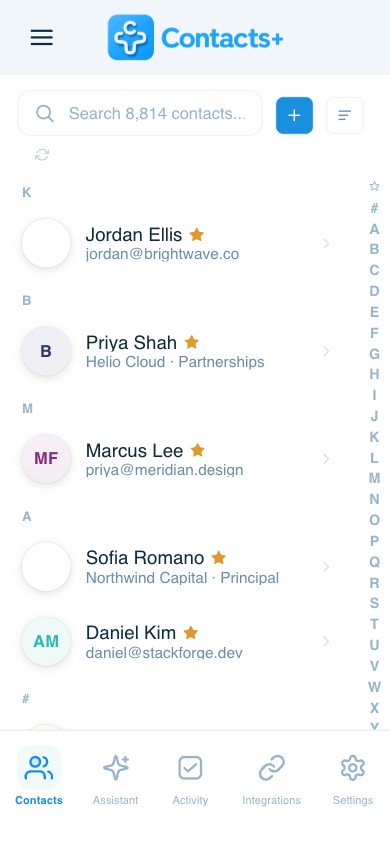
Modern contact management apps — like Contacts+ — make this checklist actionable. They let you:
- Centralize contacts from multiple sources.
- Add custom fields and tags.
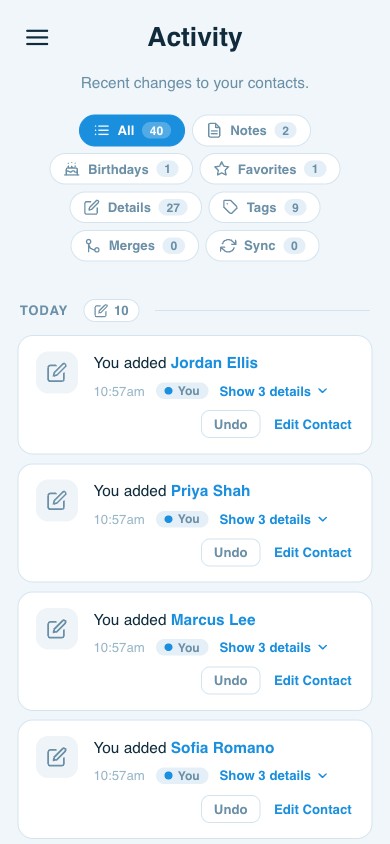
- Log interactions and notes.
- Set reminders and follow-ups.
- Enrich contacts automatically with updated data.
The result is a living Rolodex that’s not just a list — but a relationship intelligence engine.
A contact list is only as valuable as the context it contains. Without the correct details, your list is a static database. With the proper structure, it becomes a dynamic asset — a system for turning relationships into opportunities.
By tracking the right fields and relationship details, you ensure that no opportunity is missed and no connection is forgotten. This is the essence of modern contact management — and the path to building stronger, smarter professional networks.
Whether you’re an entrepreneur, investor, freelancer, or business professional, adopting a contact management checklist is a strategic move that will pay dividends for years to come.
Related articles
From ContactsPlusSet follow-up reminders on any contact, so nobody goes coldSee Follow-Up Reminders →


Put your contacts to work
Sync, enrich, and clean your entire address book with ContactsPlus — free to start.
Sign up free ← Back to all articles