

How to Rebuild Your Contact List After Years of Neglect

At some point, almost everyone has the same uncomfortable realization: “My contact list is a mess.”
You scroll through your phone or email and see duplicate names, outdated companies, old email addresses, and people you don’t even remember adding. There are contacts you meant to follow up with years ago. Others you should probably delete, but feel weird about doing so.
If this sounds familiar, you’re not alone. And more importantly, you didn’t do anything wrong.
Contact lists don’t fall apart because people are careless. They fall apart because life gets busy, roles change, and relationships evolve faster than any tool can keep up with on its own.
Rebuilding your contact list isn’t about achieving perfect organization. It’s about reclaiming clarity, confidence, and relationships you already invested in.
First, Let Go of the Guilt
Before you fix anything, it helps to name what you’re feeling. For many people, opening an old contact list brings up guilt:
- “I should have stayed in touch.”
- “I dropped the ball.”
- “I don’t even know who half these people are anymore.”
That guilt is what keeps people from starting. But here’s the truth: contact decay is normal. People change jobs. Emails stop working. Phone numbers change. Tools change. The longer you work, the more contacts you accumulate and the harder it becomes to keep everything tidy.
A neglected contact list isn’t a failure. It’s a snapshot of a full life and a busy career.
Step 1: Start With Cleanup, Not Perfection
The fastest way to get overwhelmed is to try to fix everything at once. Instead, start with one simple goal: remove friction. That means tackling the most obvious issues first:
- Exact duplicates
- Contacts with the same name and email
- Multiple entries for the same person across accounts
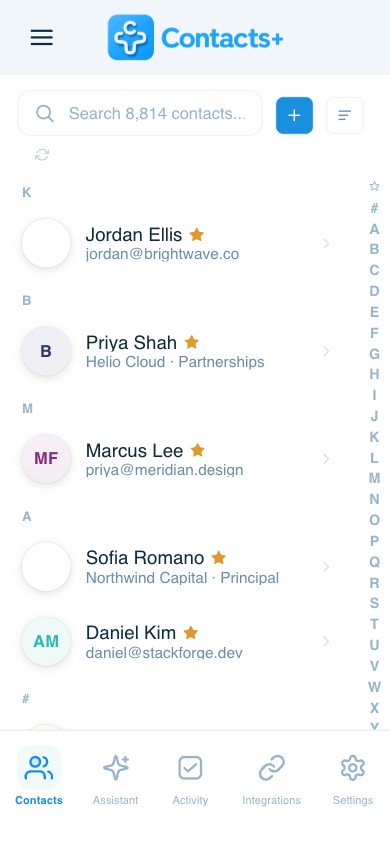
Merging duplicates immediately reduces mental clutter. Suddenly, the list feels smaller, clearer, and less intimidating. You don’t need to chase edge cases. If something is obviously the same person, merge it and move on.
Step 2: Accept That Not Every Contact Deserves Saving
This is where things can feel emotional. Some contacts are outdated for a reason. A past role. A short-lived project. A connection that never really formed. You’re allowed to let those go.
A healthy contact list isn’t the biggest one. It’s the one that reflects who matters now or might again in the future. Ask yourself a few honest questions:
- Would I recognize this person if they emailed me today?
- Would I be glad to hear from them again?
- Can I imagine a future reason to reconnect?
If the answer is no across the board, it’s okay to archive or delete. Letting go creates space for what actually matters.
Step 3: Identify Your “Core” Contacts
Once the noise is reduced, focus on the people who still matter. These might be:
- Colleagues you trust
- Clients or partners you want to stay connected with
- Mentors or advisors
- People you genuinely like and respect
This is your core circle. They’re the relationships worth nurturing. Use tags or groups to mark them. Not for categorization’s sake, but so you can find them easily later. This step shifts your contact list from passive storage to intentional memory.
Step 4: Add Context Where It’s Missing
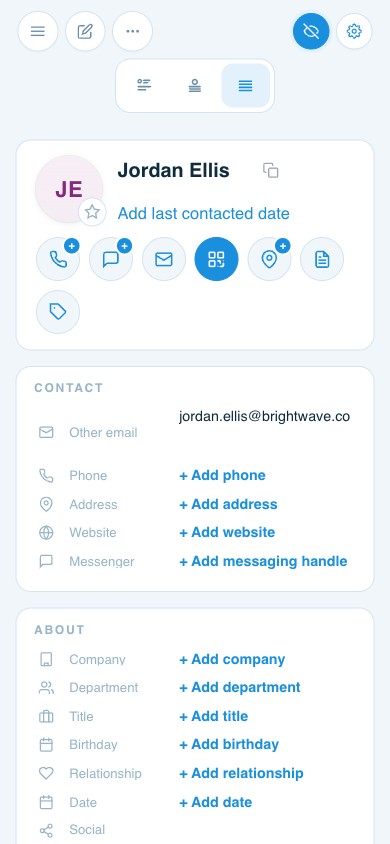
Here’s where rebuilding becomes meaningful. For your core contacts, add short notes:
- How you met
- What you worked on together
- Why the relationship matters
- What you might want to follow up on someday
These notes don’t need to be perfect. Even a single sentence is powerful. Context turns a name into a story. And stories are easier to reconnect with than blank entries.
This is also where emotions often surface, reminding you of moments, opportunities, and intentions you forgot. That’s not a setback. It’s part of the process.
Step 5: Rebuild Trust in Your Memory System
One reason people avoid rebuilding their contact list is the fear of falling behind again. The key isn’t trying harder. It’s building a system that doesn’t rely on willpower.
That means:
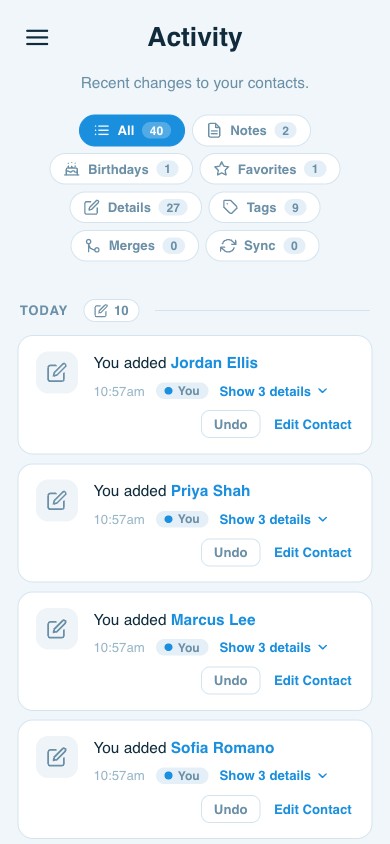
- Automatic updates when people change roles or contact info
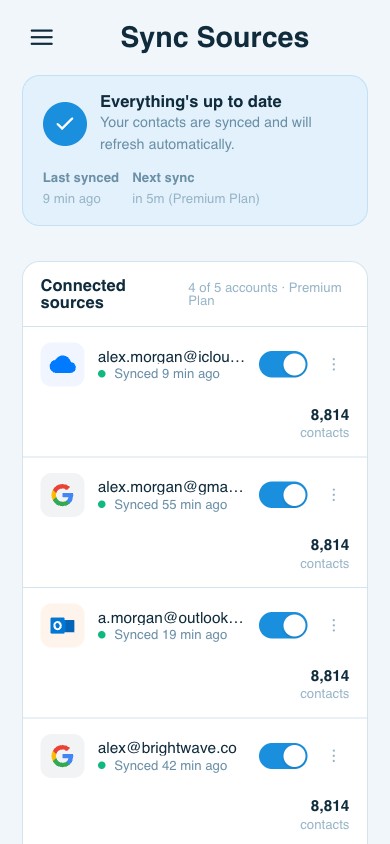
- Syncing contacts across accounts so nothing gets lost
- Backing up your data so one device or inbox isn’t the single source of truth
When your contact list feels reliable, you’re more likely to use it.
Step 6: Reintroduce Yourself Thoughtfully (When You’re Ready)
You don’t need to message everyone immediately. In fact, it’s better not to. Instead, set gentle reminders:
- Check in after a milestone
- Reach out later in the year
- Reconnect when it feels relevant
When you do reach out, context matters more than apology. A thoughtful note like: “I was thinking about our work on X and wanted to check in.” goes much further than: “Sorry it’s been so long.”
You don’t need to justify time passing. Relationships often pause and resume naturally.
Step 7: Let AI Help With the Hard Part
Writing follow-ups after a long gap can feel intimidating. This is where AI can help. Not by replacing your voice, but by helping you get started. When AI has access to notes and context, it can help draft messages that:
- Reference past conversations
- Sounds natural, not scripted
- Save time without losing warmth
The relationship is still yours. AI simply removes the friction of writing.
Step 8: Protect What You’ve Rebuilt
Once your contact list feels manageable again, protect it. That means:
- Regular deduplication
- Secure storage and backups
- Keeping contacts updated automatically
- Adding notes as you go, not “someday”
Maintenance doesn’t have to be heavy. Small habits prevent big rebuilds later.
Rebuilding Is an Act of Care
Rebuilding your contact list isn’t about productivity. It’s about care.
Care for your past self who made the connections.
Care for your future self, who will want to remember them.
Care for relationships that deserve more than being forgotten in a list.
You don’t need a perfect system. You just need one that helps you remember what matters.
Related articles

How to Check If a Contact’s Email Address is Valid


The Productivity and Networking Benefits of the Contacts+ Contact Dialer
Put your contacts to work
Sync, enrich, and clean your entire address book with ContactsPlus — free to start.
Sign up free ← Back to all articles