
Customizing Your CRM for Venture Capital Success: Tailoring Features to Your Needs

CRM systems are indispensable for managing relationships. However, off-the-shelf CRM solutions may not fully meet the unique needs of venture capital firms. The good news? You can customize your CRM to significantly enhance its efficiency and effectiveness, enabling you to manage better deal flow, investor relationships, due diligence, and portfolio performance.
In this guide, we’ll explore how venture capital firms can tailor CRM features to their specific needs.
Understanding CRM Requirements for Venture Capitalists
Managing Deal Flow
One of the primary challenges for venture capital firms is managing deal flow from the initial pitch through final funding. Each deal goes through multiple stages, each with its own set of tasks and requirements. A customized CRM can help automate and streamline these stages, ensuring nothing falls through the cracks.
Nurturing Investor Relationships
Maintaining strong relationships with investors is crucial for venture capital firms. A customized CRM can help track interactions, schedule follow-ups, and provide insights into investor preferences and behaviors. This tailored approach ensures that every communication is personalized and timely, fostering stronger, more fruitful relationships.
Tracking Due Diligence Processes
Due diligence is critical. It involves thorough research and analysis to assess the viability of an investment. A customized CRM can provide tools for tracking documents, assigning tasks to team members, and ensuring that every aspect of due diligence is covered comprehensively.
Monitoring Portfolio Performance
Once investments are made, it’s essential to monitor the performance of portfolio companies. A customized CRM can offer dashboards and reporting tools that provide venture capitalists with a better idea of how their portfolio is doing. This is crucial for making better, more informed decisions and providing valuable support to portfolio companies.
Assessing Current Processes and Pain Points
Before you plan to customize your CRM, conduct a thorough assessment of your existing workflows, processes, and pain points. Here’s a game plan:
- Review Current Workflows. Identify each step in your deal flow, investor relations, due diligence, and portfolio management processes. This will provide a clear picture of how your firm currently operates and highlight areas that need improvement.
- Identify Inefficiencies. Look for inefficiencies or bottlenecks in your workflows. These could include time-consuming manual processes, communication gaps that lead to missed opportunities, or data silos that hinder decision-making.
- Gather Stakeholder Feedback. Involve key stakeholders in the assessment process. Investment professionals, analysts, operations staff, and IT personnel can uncover challenges they face, along with suggesting potential solutions. This collaborative approach ensures that the customization efforts address the diverse needs of your organization.
Once you’ve assessed your current processes and identified pain points, it’s time to explore specific customization opportunities within your CRM. Here are some key areas to consider:
Custom Data Fields
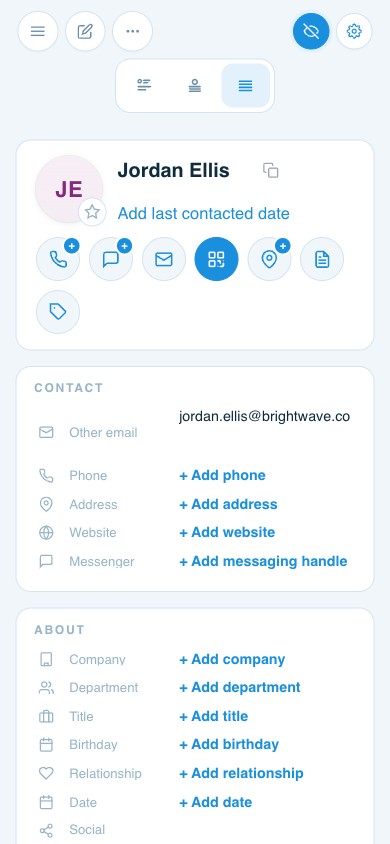
Standard CRMs come with predefined data fields that may not fully capture the information you need. Custom data fields let you track details specific to your venture capital activities, such as industry sectors, funding rounds, and key contacts.
Deal Stage Workflows
Customizing deal stage workflows can help streamline the investment process. By defining specific tasks and milestones for each stage, you can ensure that every deal progresses smoothly and efficiently. Automated reminders and notifications can also keep your team on track.
Investor Segmentation
Segmenting investors based on criteria such as investment preferences, geographic location, and engagement level can help tailor your communication and relationship-building efforts. A customized CRM can automate this segmentation with a tagging system, making it easier to manage and nurture investor relationships.
Communication Templates
Consistent and personalized communication is key to maintaining strong investor relationships. Customized communication templates for emails, reports, and updates save tons of time and ensure your messaging is both professional and engaging.
Reporting Dashboards
Custom reporting dashboards provide real-time insights into your key metrics and performance indicators. They can offer information most relevant to your firm, helping you make data-driven decisions and monitor progress effectively.
Prioritizing Customization Goals
With so many customization opportunities available, it’s essential to prioritize your efforts based on their impact on business objectives and the resources available for implementation. Here are some tips:
- Focus on High-Impact Areas. Identify the areas that most significantly impact your firm’s efficiency, productivity, and decision-making. Prioritize customization efforts that address critical pain points and deliver tangible benefits.
- Consider Resource Availability. Assess the resources required for each customization effort, including time, budget, and personnel. Ensure that your team has the capacity to implement and maintain the customizations effectively.
- Set Realistic Timelines. Establish realistic timelines for each customization effort. Break down larger projects into manageable phases and set clear milestones to track progress. This approach ensures that customization efforts are completed efficiently and without overwhelming your team.
Technical Considerations and Integration
CRM customization involves several technical considerations that must be addressed to ensure a successful implementation. Here are the big ones:
- Data Migration. Migrating existing data to a customized CRM can be complex. Ensure that data is accurately transferred and mapped to the new system. Develop a data migration plan that includes thorough testing and validation to minimize disruptions.
- Integration with Existing Systems. Integrating your CRM with other systems, such as email platforms, project management tools, and financial software, can enhance its functionality. Ensure that the CRM platform offers robust API capabilities and flexibility to support integration efforts.
- Scalability. As your firm grows, your CRM must scale with you. Choose a CRM platform that offers scalability and extensibility to accommodate future customization needs and increased data volumes.
Training and Change Management
Once you’ve adopted a custom CRM solution, it’s essential to provide adequate training and support to users. This includes investment professionals, analysts, and operations staff. Provide hands-on training sessions, user manuals, and video tutorials, which will help make sure everyone is comfortable using the new system.
Even when your CRM is running smoothly, maintain ongoing communication throughout the customization process. Keep stakeholders informed of progress, timelines, and any changes to workflows. Regular updates help manage expectations and ensure a smooth transition.
Finally, establish mechanisms for collecting user feedback, such as surveys, focus groups, and help desk support. Use this feedback to identify areas for improvement and make necessary adjustments to the customized CRM.
Customizing your CRM for venture capital success can significantly enhance your firm’s efficiency and effectiveness. It may require a lot of forethought, but it’s absolutely worth the investment in the long run. Good luck!
Related articles

Using AI to Score and Prioritize Your Contacts

7 Tips for Being an Instagram Networking Pro

AI to the Rescue: Transforming VC Administrative Workflows
Put your contacts to work
Sync, enrich, and clean your entire address book with ContactsPlus — free to start.
Sign up free ← Back to all articles